
Victory for clean water in Washington
last updated Sept 8, 2026
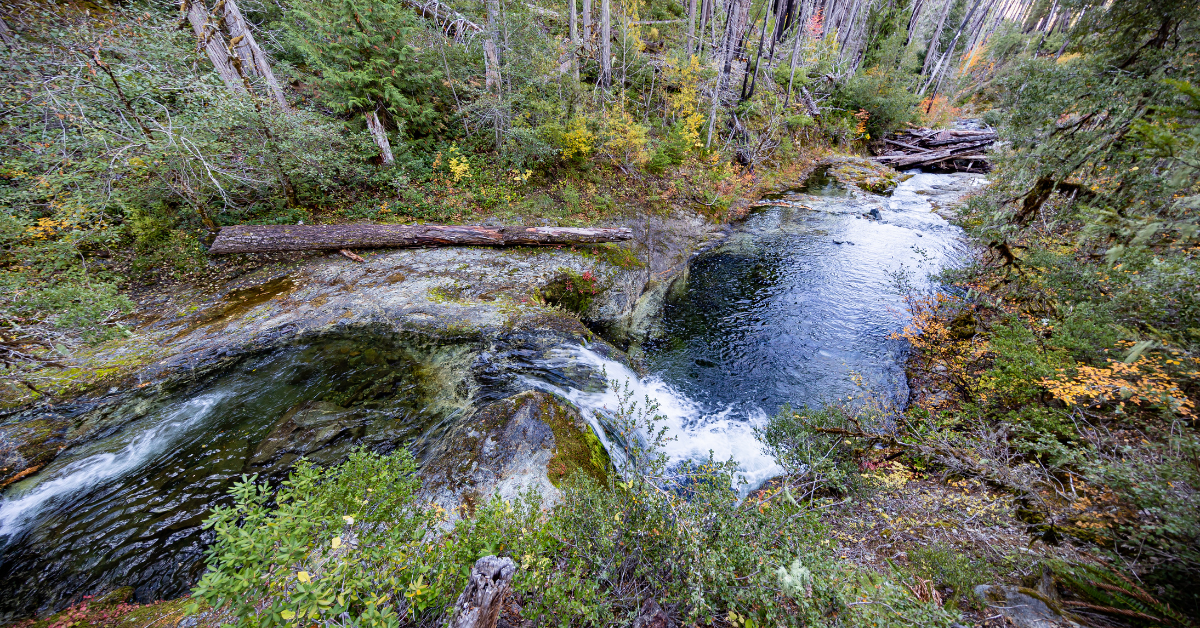
Victory! A Washington court has upheld science-based protections for more than 19,000 miles of headwater streams. Photo by Greg Shine, BLM.
Court Upholds Protections for Washington’s Headwater Streams
Victory! Earlier this month, the Thurston County Superior Court issued a decision that protects more than 19,000 miles of headwater streams and affirms Washington’s science-based approach to forest management.
A Win for Headwater Streams
Headwater streams may be small, but they play an outsized role in the health of the rivers and ecosystems downstream.

Crag attorneys (L to R) Brenna, Oliver, Kelsey, Meriel, and Ricky.
This month, the Thurston County Superior Court upheld Washington’s revised protections for more than 19,000 miles of headwater streams on private timberlands in western Washington. The updated rule establishes continuous forested buffers along these streams to help keep water cool and clean.
Crag represented Washington Conservation Action and Conservation Northwest, who intervened in the case to defend both the updated protections and the integrity of Washington’s collaborative, science-based approach to forest management.
The case was brought by timber industry organizations seeking to overturn the updated rule. The court’s decision is a victory not only for clean water, but also for collaborative, science-driven forest management.
What’s at Stake
Headwater streams are the starting point for many of the waterways that communities and wildlife depend on. Even when they don’t contain fish themselves, they provide essential habitat and water for downstream ecosystems.
Forested buffers along these streams help regulate water temperature, filter sediment and pollutants, store water, and provide structure and nutrients that support downstream fish habitat.
That matters for salmon, salamanders, wildlife, and communities throughout Washington.
Long-term, state-funded research found that the previous protections were not doing enough to prevent stream temperatures from rising beyond state water quality standards. The updated rule responds to that research by establishing forested buffers of approximately 50 to 75 feet along more than 19,000 miles of headwater streams.


Stream buffers are important for salmon, salamanders, wildlife, and communities throughout Washington. Photos by Munsel/ODFW, Chris Cousins/USFWS, Fred Renspies, CC BY 2.0
Why This Case Matters
This victory is about more than stream buffers. It’s about whether environmental protections can evolve as our understanding of ecosystems evolves.
Washington’s forest practices system was designed to use science and adaptive management to respond to new information. Over more than two decades, scientists conducted research and monitoring, independent experts reviewed the findings, and conservation groups, Tribes, agencies, and forest industry representatives participated in a collaborative process to develop updated protections.
When the Forest Practices Board adopted the revised rule in 2025, timber industry groups challenged it in court.
Crag stepped in to represent Washington Conservation Action and Conservation Northwest to defend the rule—and the integrity of the process that produced it.
The court’s decision affirms that Washington can use the best available science to strengthen environmental protections when the evidence shows that existing rules aren’t enough.
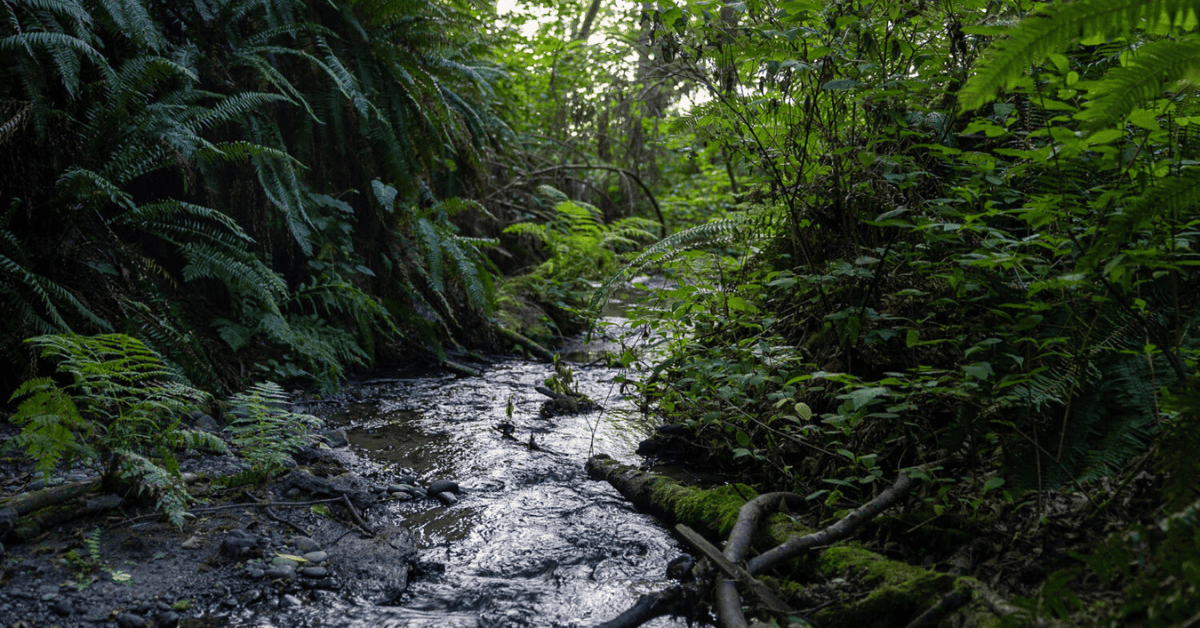
The court’s decision affirms that Washington can use the best available science to strengthen environmental protections when the evidence shows that existing rules aren’t enough. Photo courtesy of Washington Conservation Action.
Looking Ahead
The timber industry has appealed the ruling, so we don’t expect this legal fight to end anytime soon.
At Crag, we pride ourselves in having staying power: to not only secure legal victories but to make sure they endure. We’re in this for the long haul. So we’ll keep doing what we do best: bringing strategic legal vision to the fights that matter to communities and the ecosystems they depend on.
And we’ll keep building the next generation of advocates along the way. Crag attorney Kelsey Dunn worked alongside attorney Oliver Stiefel on this case, bringing the research, briefing, and legal training she developed during her fellowship to bear on an important environmental victory.
This is what community-centered environmental lawyering looks like: deep legal expertise, strong partnerships, mentorship, and the persistence to see a fight through.


For 25 years, we’ve has turned your donations into free legal services for communities, Tribes, and grassroots organizations working to protect Oregon’s environment.
Our Clients
We’re proud to have represented our clients in this case:
-
- Washington Conservation Action is a nonprofit that champions policies that center the expertise and resilience of our overburdened communities for environmental progress and justice in the Pacific Northwest.
- Conservation Northwest is a nonprofit that protects, connects, and restores wildlands and native wildlife across Washington state and British Columbia
Crag attorneys Oliver Stiefel and Kelsey Dunn represented Washington Conservation Action Education Fund and Conservation Northwest, alongside Paul Kampmeier of Kampmeier & Knutsen PLLC.

Crag attorneys Oliver Stiefel and Kelsey Dunn.
Learn More
-
- Read the press release for more details about the decision and the science behind the updated protections.
Support Crag’s work
Victories like this are possible because communities and organizations have access to strong legal advocacy when important environmental protections are challenged. Your support helps Crag keep standing with communities across the Pacific Northwest.